
Farm Loan Collateral Explained: What Lenders Really Look For
When borrowers think about a farm loan, one of the first questions is usually simple: What can I use as collateral?
That question matters whether you are looking at farm operating loans, farm equipment financing, agricultural land loans, livestock loans, or a broader request tied to agriculture financing. Collateral helps lenders understand the strength of the deal and the backup repayment source if the unexpected happens. But collateral is only one part of the picture.
The encouraging news for borrowers is that a loan is not judged on collateral alone. In agricultural lending, most lenders start with the operation’s ability to repay from normal cash flow. Collateral supports the loan, but it usually does not carry the decision by itself. That principle is reflected in federal banking guidance, which treats repayment capacity as the primary source of repayment and collateral as a secondary source.
That distinction matters because it gives borrowers more than one way to strengthen a request. A borrower with a well-run operation, clear financial reporting, and a sensible loan structure may still have good options even if the collateral package is not perfect on day one. In other words, a strong collateral story helps, but a strong business story matters just as much.
What Counts as Collateral on a Farm Loan?
Farm collateral usually falls into two broad buckets: real estate and personal property, often called chattel. Real estate includes farmland, barns, poultry houses, grain bins, irrigation improvements, and other permanent structures tied to the property. Chattel includes movable business assets, such as machinery, equipment, livestock, crops, harvested grain, and certain ownership documents tied to stored commodities.
Under Article 9 of the Uniform Commercial Code, agricultural collateral is commonly described in categories such as equipment and farm products. Farm products generally include crops, livestock, and supplies used or produced in a farming operation, while equipment generally covers machinery and other goods used in the business that are not inventory or farm products. Those legal categories matter because lenders need collateral to be properly identified and documented when they file liens.
There is also another category many borrowers do not think much about until financing is underway: documents of title, including warehouse receipts. These documents can help establish ownership and control of stored grain or other commodities. That is one reason lenders care so much about where grain is stored, how it is documented, and whether the supporting paperwork is clean and current.
How Lenders Usually Think About Value
Many borrowers understandably think about collateral in terms of what they paid for it or what it would cost to replace it today. Lenders tend to look at it differently. They are usually focused on current marketability and likely recovery value if the asset had to be sold under less-than-ideal conditions. That does not mean the asset is not valuable. It just means lenders apply a practical lens that reflects resale demand, depreciation, transportation costs, timing, and market volatility.
That is why a like-new combine may still be discounted on a collateral schedule. The lender is not saying the machine is unimportant. The lender is asking what a realistic sale might produce, how quickly it could be sold, and how many buyers would be in the market at that moment. The same logic can apply to grain inventory, livestock, and even land—although land often holds value more steadily than movable assets.
For borrowers, this is helpful to understand because it explains why lender values do not always line up with replacement cost, emotional value, or even a seller’s asking price. It is not personal. It is simply the underwriting framework most lenders use to manage risk responsibly.
Common Collateral Types in Farm Lending
Farm real estate
Land and permanent improvements are often the foundation of a farm collateral package. They tend to be easier to document, easier to appraise, and less volatile than other ag assets. In many cases, real estate is the anchor behind agricultural land loans and longer-term ownership financing. USDA guidance for guaranteed farm ownership lending reflects that, noting that collateral commonly consists of real estate or a combination of real estate and chattel.
In the market, lenders often size real-estate-backed loans conservatively. The exact loan-to-value ratio depends on the lender, the property, and the strength of the overall deal, but borrowers should expect lenders to leave a cushion rather than finance 100% of appraised value in a conventional structure.
Equipment and machinery
Equipment can be important collateral, especially in farm equipment financing and shorter-term operating structures. But machinery is usually valued more conservatively than land because age, condition, hours, and resale market depth all affect what it is worth to a lender. A piece of equipment with a strong used market may support more borrowing than specialized machinery with fewer likely buyers.
That does not make equipment weak collateral. It simply means lenders tend to treat it as an asset that needs closer monitoring and more cautious valuation. For borrowers, good records on age, maintenance, condition, and serial numbers can make a meaningful difference.
Crops, grain, and inventory
Crops and harvested grain often support farm operating loans, seasonal lines, and other working-capital structures. Their value can be meaningful, but lenders usually pay close attention to storage, quality, market pricing, contract status, and lien position. If crops are under firm contract or supported by clean warehouse documentation, the lender may view them more favorably because price risk and documentation risk are lower.
This is one area where borrowers can strengthen their file by being organized. Clear marketing arrangements, current inventory records, and clean proof of ownership can make commodity collateral more usable.
Livestock
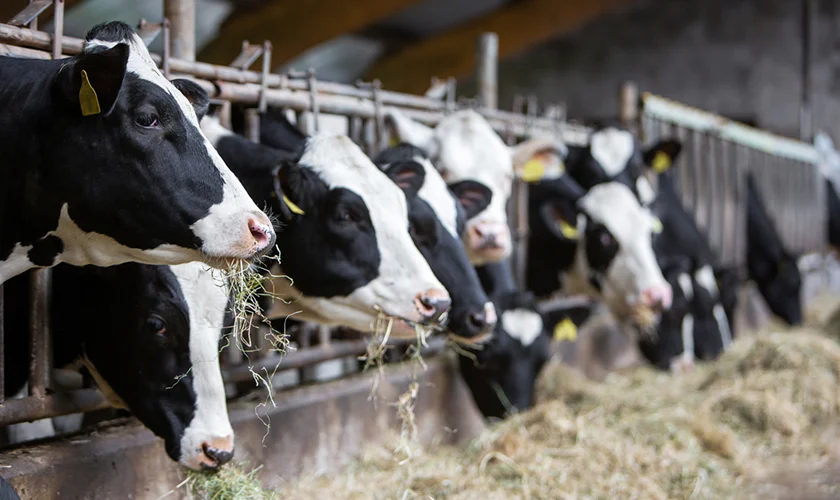
Livestock can also be valuable collateral, especially for livestock loans and operating lines tied to herd expansion or production needs. USDA’s guaranteed loan guidance specifically lists livestock among the assets that may secure operating loans. At the same time, livestock values can move with health conditions, weight, age, breeding quality, and the broader market, so lenders generally view livestock as more dynamic than land.
For borrowers, the practical takeaway is that livestock can strengthen a request, but it is usually most effective as part of a broader collateral package rather than the only support behind a larger loan.
Why Cash Flow Still Comes First
One of the most useful truths in ag lending is this: collateral supports the deal, but repayment capacity drives it. Federal guidance is clear that agricultural lenders should not rely solely on collateral and should instead focus first on the borrower’s ability to repay from operations.
That means higher land values do not automatically translate into a bigger loan. A stronger balance sheet helps, but lenders still want to see that the operation can support debt service through commodity cycles, weather variability, input costs, and normal business risk. For borrowers, this is a positive framework. It means the path to a better loan request may involve improving working capital, tightening financial reporting, showing stronger marketing discipline, or refinancing scattered debt into a more manageable structure.
Conventional Loans and FSA-Backed Options
Collateral expectations can look different depending on the loan structure.
In a conventional deal, lenders often want a solid collateral position and a conservative structure, especially on longer-term real estate loans. That is typical not only in farm lending, but across commercial credit more broadly. Borrowers looking for larger agriculture financing requests may also see lenders pair collateral review with close analysis of leverage, liquidity, and repayment trends.
With FSA guaranteed loans, there can be more flexibility in structure because the federal guarantee reduces part of the lender’s risk. USDA states that guaranteed farm ownership loans are typically secured by real estate or by real estate plus chattel, while guaranteed operating loans may be secured by crops, livestock, equipment, and real estate when necessary. The lender is still responsible for making sure the collateral fully secures the loan, but the guarantee can help some otherwise challenging deals move forward.
That is one reason FSA loan programs remain so important for many borrowers. They can create a path for family farmers and ranchers to access credit through commercial lenders at reasonable terms for farm ownership and agricultural production. USDA also notes that guaranteed loans can cover a significant percentage of lender loss exposure, which helps expand credit access in practical ways.
FSA has also made certain direct-loan collateral standards more flexible. USDA says collateral requirements for direct loans were reduced from 150% of the loan amount in available security to 125%, while still requiring the loan to be fully secured. That change is designed to lower barriers without removing the need for prudent underwriting.
For borrowers exploring small farm loans, farm operating loans, or first-time ownership opportunities, that flexibility can matter. USDA’s farm loan materials also cover specialized options such as ownership loans, operating loans, beginning farmer support, and FSA youth loans, which shows how broad the agency’s lending platform can be.
Conventional Loans vs. FSA-Backed Options
How collateral expectations and loan structure can differ for farm borrowers
| Conventional loans | FSA-backed options |
|---|---|
| How lenders usually look at it | How lenders usually look at it |
| Typically requires a stronger standalone collateral position | Must still be adequately secured |
| Often underwritten with more conservative loan-to-value expectations | Can include land, equipment, crops, livestock, or a mix, depending on the loan |
| Heavy focus on cash flow, liquidity, and repayment history | Federal guarantee reduces part of the lender’s risk |
| Best fit for borrowers with stronger balance sheets and more borrowing flexibility | Can make some deals possible that may be harder to do conventionally |
| What that can mean for borrowers | What that can mean for borrowers |
| Straightforward structure | May create more flexibility in structure |
| Can work well for larger, well-supported requests | Can help beginning, growing, or smaller operators access credit |
| May be tougher if collateral is thin or the operation is earlier stage | Often useful for farm ownership, operating needs, and transitional situations |
How to Strengthen Your Collateral Story
Borrowers often have three ways to assume more control here:
- Start with lien cleanup. If strong assets are already tied up by older notes or scattered lenders, collateral may not be working as efficiently as it could. Consolidating debt or refinancing existing obligations can sometimes make the same asset base support a cleaner, stronger request.
- Focus on documentation. Updated equipment lists, current balance sheets, grain records, livestock counts, warehouse receipts, appraisals, and accurate ownership records all help lenders get comfortable more quickly. Well-documented collateral is easier to underwrite and often easier to finance.
- Think in terms of structure, not just assets. In some cases, a conventional loan is the best fit. In others, FSA guaranteed loans may create a more workable path. And depending on the project, borrowers may also evaluate adjacent sources of capital such as rural business loans, other forms of rural development funding, or grant support that reduces the amount of debt the operation needs to carry. Grants are not a substitute for repayment ability, but they can improve the overall capital stack in the right situation.
The Bottom Line
Collateral matters in farm lending. It matters in farm equipment financing, agricultural land loans, farm operating loans, livestock loans, and nearly every other form of agriculture financing.
But the best borrower message is not just about what you own. It’s about how the operation repays debt, how the collateral supports the request, and why the structure fits the business.
That is the kind of story lenders understand. And when that story is clear, collateral becomes less of a hurdle and more of a tool that helps the right loan come together.

Leave a Reply
Want to join the discussion?Feel free to contribute!